Monday, February 16, 2009
crediblity DEPENDS on WHO'S "reading"
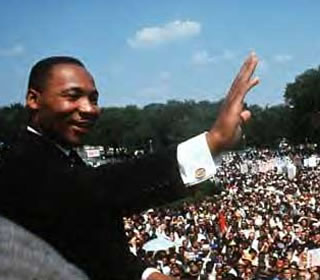
Audiences, time, location, religion, practices, etc. add to credibility of the writer. Ethos as Chapter 13 refreshes our minds about is what the writer does to persuade the reader to be interested in what they are reading. I enjoyed reading the first editorial also known as a broadside from the 1799.Looking at that text "To the Public" by Thomas Cooper and later comparing it to the electronic text, and written texts of my time, I felt Cooper got more out of writing. Reading what happened to Cooper for voices his opinions against the president John Adams took courage, took a strong great writer to do. Of course he knew the time was bad to saw what he said about the government, but he did it anyway. Writers who take a chance, risk their jobs, lives are the writers we readers nowadays are attracted to. Cooper being sent to jail would make anyone quit their job, and rethink another path, but I'm sure he didn't. His written work and courage reminded me of Martin Luther King Jr. MLKJ risked not only his life, but that of his family, but he knew if he didn't voice what he had to say no change would happen in the black community or at least some change within the black community. For his words, for his memorable speech at the Lincoln Memorial, he was soon followed, had his house bombed and was asinated. Right now freedom of speech, ideas, etc is more voice able, and people are more tolerant. People nowadays see what others have to say as their opinion, and know that if they'd like to have their own opinion they can.

Subscribe to:
Post Comments (Atom)



Nice, sorry i do not have much to add seeing as I did not complete the assigned reading :\, won't happen again.
ReplyDeleteI did however enjoy the links (shark vs. goldfish LMAO)